


Wichtigste Erkenntnisse
- Die Ventile von Membranpumpen Die Betätigung erfolgt durch Druckänderungen der Flüssigkeit im Pumpengehäuse, nicht durch Druckluft, Federn oder mechanische Verbindungen. Beim Zurückziehen der Membran entsteht ein Unterdruck, der das Einlassventil öffnet. Beim Vorschieben baut sich Druck auf, der das Auslassventil öffnet.
- Federn und Schwerkraft unterstützen die Ventilbewegung nur in bestimmten Konstruktionen. Der eigentliche Aktor ist stets der sich ändernde Flüssigkeitsdruck, der durch die Membranbewegung erzeugt wird.
- Diese druckgetriebene Betätigung verleiht den AODD-Pumpen ihre Selbstansaugfähigkeit, ihren sicheren Trockenlauf und die Fähigkeit, Schlämme und abrasive Flüssigkeiten zu fördern.
- Das Verständnis der Ventilbetätigung hilft den Kunden von FAB Heavy Parts, die richtige Pumpe auszuwählen, sie korrekt zu betreiben und Probleme in realen industriellen Anwendungen schneller zu beheben.
Einleitung: Warum Ventilbetätigung in Membranpumpen Angelegenheiten
A Membranpumpe Es handelt sich um eine Verdrängerpumpe, die mithilfe einer flexiblen Membran Flüssigkeiten durch ein System befördert. Sie ist in der Bergbauindustrie, der chemischen Industrie, der Abwasserbehandlung und zahlreichen weiteren Industriezweigen weit verbreitet. Die Ventile im Inneren der Pumpe steuern die Förderrichtung; bei einem Ausfall dieser Ventile kommt der gesamte Betrieb zum Erliegen.
Was öffnet und schließt diese Ventile eigentlich – Luft, Federn oder die Flüssigkeit selbst? Dieser umfassende Leitfaden liefert Ihnen eine klare und praktische Antwort. Wir konzentrieren uns dabei auf luftbetriebene Ventile. Membranpumpe und pneumatisch betriebene Doppelmembrankonstruktionen, die am häufigsten auf Baustellen und in Werken anzutreffen sind, in denen Produkte von FAB Heavy Parts verwendet werden.
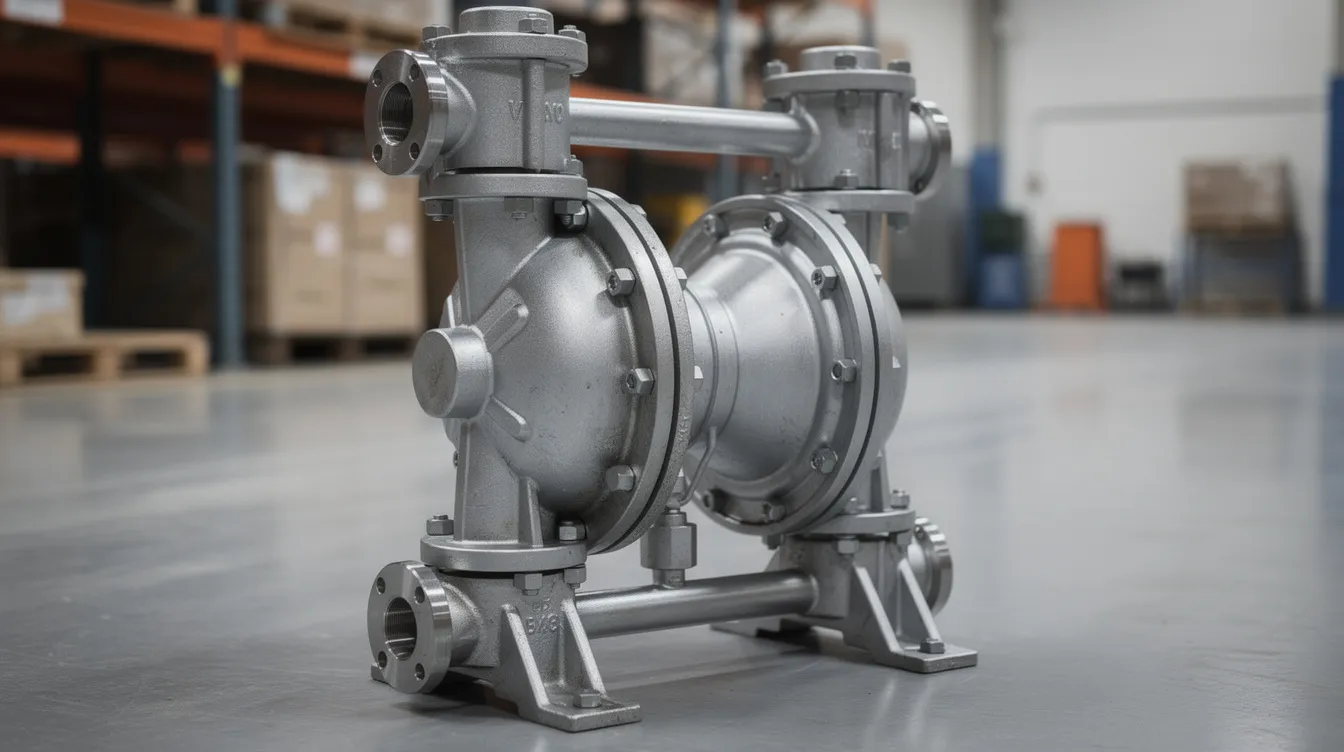
Kurzübersicht: Wie ein Membranpumpe Bewegt Flüssigkeit
Bevor wir uns mit den Ventilen befassen, hier eine Erklärung zum grundlegenden Pumpvorgang. Membranpumpen Für den Betrieb ist ein kontinuierlicher Saug- und Förderzyklus erforderlich:
- Eine flexible Membran bewegt sich in einer abgedichteten Kammer hin und her. Membranen erzeugen Sog und Druck in der Kammer. Membranpumpen durch Veränderung des Volumens dieser Kammer.
- Saughub: Die Membran bewegt sich von der Pumpenkammer weg. Das Volumen vergrößert sich, es entsteht ein Vakuum, und die Pumpe saugt Flüssigkeit durch die Saugleitung an.
- Entladungsschlag: Die Membran drückt in Richtung der Kammer. Das Volumen verringert sich, der Druck steigt, und die Flüssigkeit wird durch den Auslass herausgepresst.
- In einem luftbetriebenen Membranpumpe, Die Membran wird durch Druckluft bewegt. Die Membranen trennen jedoch die Antriebsluft von der gepumpten Flüssigkeit – die Luft kommt niemals mit der Flüssigkeit in Kontakt.
Die Pumpkammer erzeugt Volumenverengungen und -erweiterungen. Diese sich ändernden Drücke betätigen letztendlich die Ventile. Dies ist die Grundlage für einen effizienten Flüssigkeitstransfer in jedem System. Membranpumpe Design.
Wichtige Komponenten der Ventilbetätigung
Mehrere wichtige Komponenten arbeiten zusammen, um das Öffnen und Schließen eines Ventils zu steuern. Folgendes ist entscheidend:
- Membran: Die flexible Membran bewegt sich, angetrieben durch Luft oder einen mechanischen Antriebsmechanismus, hin und her. Durch die Bewegung der Membran entstehen in der Pumpkammer Zonen mit niedrigem und hohem Druck.
- Pumpenkammer: Der abgedichtete Verdrängungsraum, in dem sich Druck und Vakuum ausbilden. Dieser Raum wirkt direkt auf das Saug- und das Druckventil ein.
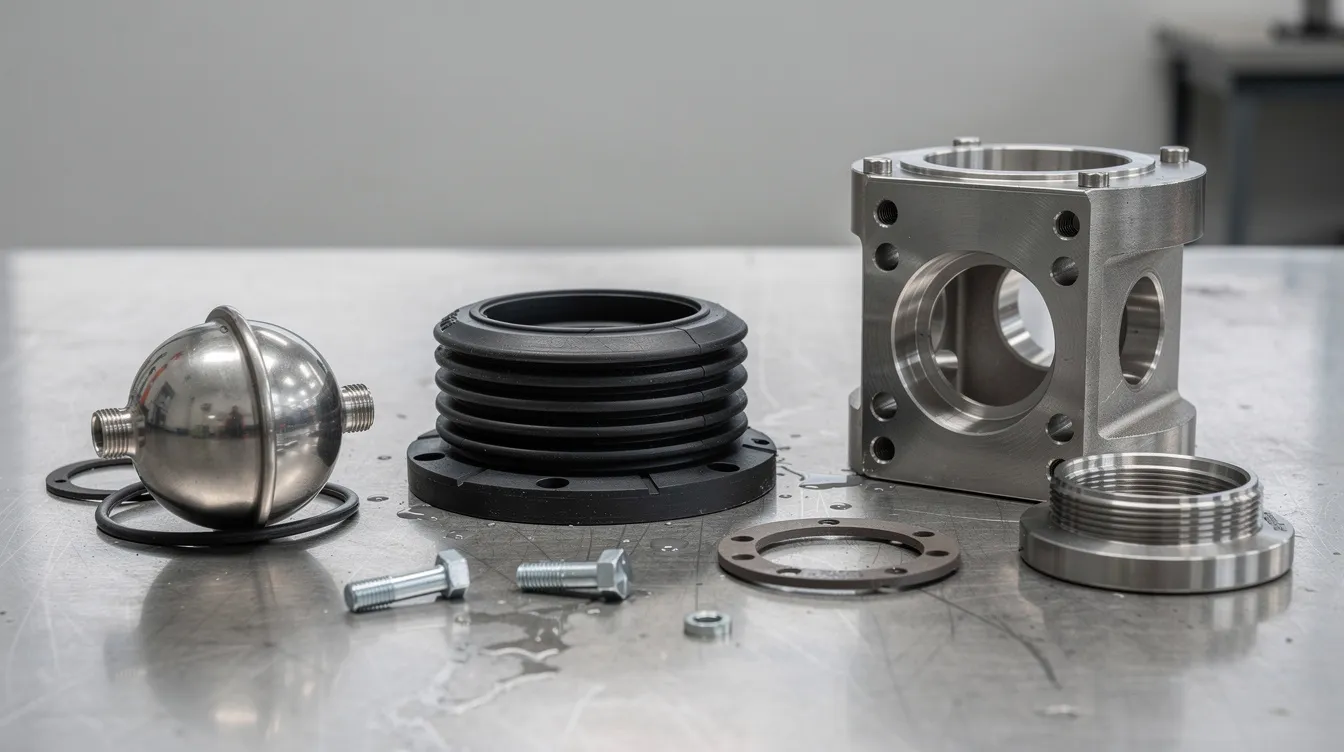
- Rückschlagventile: Membranpumpen Typischerweise verfügen sie über zwei Rückschlagventile zur Steuerung der Fluidrichtung – ein Saugventil (Einlassventil) und ein Auslassventil. Rückschlagventile verhindern den Rückfluss in Membranpumpen indem der Durchfluss nur in eine Richtung zugelassen wird, basierend auf Druckunterschieden.
- Luftventil: Bei AODD-Pumpen steuern Luftventile den Luftstrom zwischen den Membranen der Pumpe, indem sie Druckluft abwechselnd auf die eine und die andere Seite leiten. Ein pneumatischer Verteiler lenkt die Druckluft, um die Bewegung der Membranen anzutreiben.
- Weitere Komponenten: Verteiler verbinden die Pumpenkammern mit den Ein- und Auslassöffnungen. Ventilsitze und -führungen beeinflussen den Durchfluss und die Ansprechgeschwindigkeit der Ventile.
Die Hauptkomponenten von Membranpumpen Dazu gehören Membranen und Rückschlagkugeln, deren Zusammenspiel die Pumpwirkung erzeugt.
Grundprinzip: Der Flüssigkeitsdruck betätigt die Ventile.
Hier die direkte Antwort: in Membranpumpen, einschließlich AODD-Pumpen, werden die Ventile durch den Druck der gepumpten Flüssigkeit betätigt. Membranpumpen Sie benötigen keine externen mechanischen Verbindungen zur Ventilbetätigung. Ventile in Membranpumpen werden durch Änderungen des Flüssigkeitsdrucks ausgelöst – Punkt.
Jedes Ventil „erfährt“ Druck von beiden Seiten. Es öffnet sich zur Seite mit dem niedrigeren Druck hin und schließt sich, wenn sich der erzeugte Druck umkehrt, ähnlich einer Einwegtür, die von Wasser aufgestoßen wird. Die Membranbewegung erzeugt Druck, der die Ventile im exakt richtigen Moment öffnet und schließt.
Während des Ansaughubs bewirkt der im Vergleich zur Saugleitung niedrigere Flüssigkeitsdruck in der Kammer, dass das Einlassventil geöffnet wird, während der höhere Druck in der Druckkammer das Auslassventil geschlossen hält. Während des Druckhubs drückt der höhere Druck in der Kammer das Auslassventil auf und schließt gleichzeitig das Einlassventil.
Die Pumpe verwendet niemals eine Nocke, ein Zahnrad, einen Kolben oder eine Stange, um das Ventil direkt zu bewegen. Der Eigendruck der Flüssigkeit erledigt diese Arbeit. Deshalb werden diese Ventile als „selbstbetätigt“ bezeichnet.
Schritt für Schritt: Ventilbetätigung während des Pumpzyklus
Hier ist ein vollständiger Zyklus in einzelne Schritte unterteilt, damit Sie sich genau vorstellen können, was passiert:
- Beginn des Saughubs: Die Membran bewegt sich von der Kammer weg. Das Volumen vergrößert sich. Der Druck sinkt unter den Saugleitungsdruck, wodurch ein Vakuum entsteht.
- Saugventil öffnet sich: Der höhere Druck im Saugverteiler drückt das Einlassrückschlagventil auf. Das Auslassventil bleibt geschlossen, da der Auslassdruck es geschlossen hält.
- Kammer füllt sich: Flüssigkeit strömt in die Kammer, bis sich die Drücke nahezu ausgleichen oder die Membran ihren maximalen Hub erreicht. Dann schließt das Einlassventil.
- Beginn des Entladungshubs: Die Membran drückt in Richtung der Kammer. Das Volumen verringert sich. Der Druck steigt über den Druck in der Auslassleitung.
- Auslassventil öffnet: Der höhere Kammerdruck zwingt das Auslassventil zum Öffnen und drückt das Einlassventil fest gegen seinen Sitz, wodurch ein Rückfluss verhindert wird.
- Ende der Entladung: Der Durchfluss verlangsamt sich mit dem Ende des Hubs. Wenn sich die Membran umkehrt, sinkt der Kammerdruck und das Auslassventil schließt ruckartig. Der Zyklus beginnt von neuem.
Bei Pumpen mit zwei Membranen durchlaufen beide Seiten diesen Zyklus gleichzeitig, jedoch phasenverschoben, sodass sich eine Kammer füllt, während sich die andere entleert, wodurch ein gleichmäßigerer Durchfluss gewährleistet wird.
Die Rolle von Luft, Federn und anderen Komponenten
Es ist wichtig, die Antriebskraft der Membran von der Betätigungskraft der Ventile zu trennen. Es handelt sich um unterschiedliche Funktionen.
- In luftbetriebenem Doppel Membranpumpen, Die Membranen werden über das Luftventil mit Druckluft betätigt, die Rückschlagventile werden jedoch nie direkt durch die Luft geöffnet oder geschlossen. Der Druckluftdruck beeinflusst lediglich die Kraft der Membranbewegung und damit indirekt die Druckänderung in der Flüssigkeitskammer.
- Federn helfen beim Schließen Membranpumpe Ventile sind zwar federbelastete Ventile, aber keine primären Aktuatoren. Bei Kugel- oder Tellerventilen mit Federvorspannung hält die Feder das Ventil geschlossen, wenn die Drücke nahezu gleich sind, und trägt dazu bei, dass es schneller in seine Ausgangsposition zurückkehrt. Typische federbelastete Rückschlagventile benötigen einen Druck von 2–10 psi, um die Reibung zwischen Feder und Ventilsitz zu überwinden.
- Bei einfachen Kugelrückschlagventilen ohne Federn unterstützen Schwerkraft und Strömungsrichtung das Schließen. Entscheidend ist jedoch weiterhin die Druckdifferenz am Ventil.
- Ventilsitze, Führungen und Käfige richten die beweglichen Teile aus, reduzieren den Verschleiß und steuern, wie reibungslos das Ventil auf Druckänderungen reagiert.
- Bei mechanisch betriebenen Membranpumpen Auch wenn ein Zylinder, eine Kurbelwelle oder eine Nocke mit einem Elektromotor verbunden ist, gilt dasselbe Prinzip. Die Kurbel bewegt die Membran, und der dadurch erzeugte Flüssigkeitsdruck betätigt die Ventile.
Wie die Ventilbetätigung die Leistung der AODD-Pumpe beeinflusst
Das Verständnis der Ventilbetätigung ist nicht nur Theorie. Es steht in direktem Zusammenhang mit den Leistungseigenschaften der Pumpe, die im praktischen Einsatz von Bedeutung sind.
Die schnelle und zuverlässige Ventilbetätigung ermöglicht die Selbstansaugung. Durch die Zyklusbewegung der Membran wird die Flüssigkeit durch Druckunterschiede wiederholt in einer Saugleitung nach oben gezogen, selbst wenn sich die Pumpe oberhalb des Flüssigkeitsspiegels befindet. Membranpumpen Aufgrund ihrer Konstruktion können sie trockenlaufen, ohne Schaden zu nehmen – es gibt keine eng anliegenden mechanischen Teile oder O-Ringe, die bei Trockenlauf auf Flüssigkeit zur Schmierung angewiesen sind.
Robuste, druckbetätigte Rückschlagventile sind der Grund Membranpumpen Sie eignen sich hervorragend für die Förderung von Feststoffen, Schlämmen und abrasiven Flüssigkeiten, die eng tolerierte Kreiselpumpen oder Drehkolbenpumpen zerstören würden. Membranpumpen Sie eignen sich für den Umgang mit aggressiven Chemikalien wie Säuren und Lösungsmitteln. Sie sind ideal für den Transfer steriler Flüssigkeiten in der Pharmaindustrie und werden häufig in der Landwirtschaft zum Spritzen eingesetzt. Diese Pumpen sind auch für hochviskose und scherempfindliche Materialien geeignet und werden in verschiedenen Branchen zur Entwässerung und zum Schlammtransport verwendet.
Die Ventilkonstruktion – Kugelventile, Klappenventile oder Kegelventile – beeinflusst Durchflussmenge, Förderhöhe und Verstopfungsbeständigkeit. Klappenventile können Feststoffe bis zur Nennweite fördern, während Kugelventile bei saubereren Medien besser abdichten. Diese Unterschiede entscheiden darüber, welche Pumpe für Ihren Anwendungsbereich geeignet ist, sei es für Bergbauschlämme, Chemikaliendosierung, Ölförderung oder Tankwagenentladung.
Häufige Probleme mit Herzklappen und was sie aussagen
Wenn man versteht, was die Ventile betätigt, geht die Fehlersuche schneller vonstatten.Hier sind häufige Symptome und wahrscheinliche Ursachen:
| Symptom | Wahrscheinliche Ursache |
| Geringer oder kein Durchfluss | Festsitzende oder verschlissene Rückschlagventile, Ablagerungen auf dem Ventilsitz, unzureichender Luftversorgungsdruck, der zu einer schwachen Membranbewegung führt |
| Übermäßiges Pulsieren oder Schwanken | Träge Ventilreaktion aufgrund verschlissener Federn, aufgequollener Elastomere oder chemischer Angriffe auf die Ventilmaterialien |
| Rückfluss und Verlust der Ansaugung | Beschädigte Ventilsitze, gerissene Kugeln oder Scheiben, falsche Einbaulage für schwerkraftunterstütztes Schließen |
| Ungewöhnliche Geräusche oder Hämmern | Verzögertes Schließen des Ventils unter hohem Druck verursacht einen Wasserschlag; Rohrleitungsführung und Ventilzustand prüfen. |
Beschädigte Membranen können ähnliche Probleme wie Ventile verursachen: Wenn die Membran undicht wird, schwächen sich die Druckveränderungen ab und die Ventile funktionieren nicht mehr richtig. Regelmäßige Überprüfungen von Membranen und Ventilen im Rahmen der Wartungsintervalle gewährleisten einen reibungslosen Betrieb.
Auswahl von Ventilkonstruktionen für Ihr Membranpumpe Anwendung
Die verschiedenen Ventiltypen werden alle durch Druck betätigt, verhalten sich aber je nach Fluid und Betriebsbedingungen unterschiedlich:
- Kugelrückschlagventile: Am häufigsten in AODD-Pumpen. Einfach, robust, gut geeignet für Schlämme und Feststoffgemische. Mäßige Abdichtung bei niedrigem Druck. Gehäuse aus Aluminium oder Edelstahl mit Elastomerdichtungen.
- Klappenventile: Besser geeignet für große Feststoffe und dickflüssige Schlämme. Ein breiter, ungehinderter Durchfluss verbessert die Effizienz. Gegebenenfalls ist eine bestimmte Einbaulage erforderlich.
- Kegel- oder Tellerventile: Höherer Druck oder präzisere Abdichtung für Dosierung und Abfüllung Membranpumpen wo die Rückflussverhinderung streng sein muss.
Die Materialwahl ist von entscheidender Bedeutung. EPDM, PTFE, Viton und NBR weisen jeweils unterschiedliche chemische Beständigkeiten und Temperaturgrenzen auf. Nicht kompatible Materialien zersetzen sich schnell und führen dazu, dass das Ventil nicht mehr ordnungsgemäß auf Druckänderungen reagiert.
Mechanisch vs. pneumatisch betrieben Membranpumpen: Gleiches Ventilprinzip
Während sich der Antriebsmechanismus zwischen den Pumpenfamilien unterscheidet, ist die Art der Ventilbetätigung gleich.
Mechanisch betrieben Membranpumpen Sie werden von einer Kurbelwelle, einem Nocken oder einem Getriebe angetrieben, das mit einem Elektromotor, Verbrennungsmotor oder einer Zapfwelle verbunden ist. Sie werden häufig in landwirtschaftlichen Sprühgeräten und Dosieranlagen für Chemikalien eingesetzt. Der Antriebsmechanismus in Membranpumpen Das System kann pneumatisch, mechanisch oder hydraulisch sein – aber in jedem Fall bewegt die Kurbel, der Zylinder oder das Luftsystem die Membran, und der dadurch erzeugte Flüssigkeitsdruck betätigt die Ventile.
Luftbetriebene Doppel Membranpumpen Sie nutzen Druckluft, die abwechselnd zwischen zwei Membranen zirkuliert. Sie werden bevorzugt in explosionsgefährdeten Bereichen eingesetzt, wo elektrische bewegliche Teile ein Risiko darstellen. Die Funktionsweise des Ventils ist jedoch identisch: Die Ventile reagieren ausschließlich auf Änderungen des Flüssigkeitsdrucks, nicht auf den Motor, die Kurbel oder das Luftventil.
Dieses gemeinsame Prinzip vereinfacht die Wartung einer gemischten Fahrzeugflotte.
Zusammenarbeit mit FAB Heavy Parts für zuverlässige Membranpumpe Ventile
FAB Heavy Parts konzentriert sich auf die Lieferung von Schwerlastteilen Membranpumpen, Ventilsätze, Membranen und andere Komponenten, die auch unter rauen Bedingungen im praktischen Einsatz zuverlässig funktionieren. Egal, ob Sie ein betriebenes System verwenden Membranpumpe Ob bei einem chemischen Prozess oder beim Pumpen von abrasivem Schlamm in einem Bergwerk – wir haben die Teile auf Lager, die Ihren Betrieb am Laufen halten.
Teilen Sie unserem Team Details wie Fluidart, Feststoffgehalt, Temperatur sowie erforderlichen Durchfluss und Druck mit. Wir empfehlen Ihnen spezifische Ventilkonfigurationen und Materialien anstelle allgemeiner Katalogvorschläge. Da Ventile fluidbetätigt sind, können Bediener die Luftversorgung, die Verrohrung und die Steuerungsstrategien präziser spezifizieren und so einen optimalen Pumpenbetrieb gewährleisten.
Wenn Sie den Druck kontrollieren und die richtige Ventilkonstruktion wählen, Ihr Membranpumpe liefert die zuverlässige Leistung, die Sie benötigen.
Häufig gestellte Fragen
Frage 1: Öffnet die Druckluft direkt die Ventile in einer AODD-Pumpe?
A1: Nein. Die Druckluft bewegt lediglich die Membranen. Die Rückschlagventile öffnen und schließen sich aufgrund der Druckunterschiede in der Flüssigkeitskammer, die durch diese Membranbewegung entstehen. Luft und Fördermedium kommen im Inneren der Pumpe nicht miteinander in Kontakt.
Frage 2: Kann ein Membranpumpe Ventilfunktion ohne Feder?
A2: Ja. Viele Membranpumpe Ventile sind einfache Kugel- oder Klappenrückschlagventile, die durch Schwerkraft und Strömungsrichtung funktionieren und keine Federn benötigen. Federn können jedoch die Schließgeschwindigkeit und die Abdichtung bei niedrigen Drücken verbessern, weshalb sie in manchen Konstruktionen verwendet werden.
Frage 3: Warum ist mein Membranpumpe Verliert es nach längerem Stillstand an Prime-Qualität?
A3: Verschleiß, Ablagerungen oder chemische Einwirkungen auf die Rückschlagventile und Ventilsitze können dazu führen, dass Flüssigkeit durch die Saugleitung zurückfließt und die Saugsäule unterbricht. Dies deutet auf eine unzureichende druckbetätigte Abdichtung hin. Überprüfen Sie Ventilsitze und Kugeln und ziehen Sie den Austausch des Ventilsatzes in Betracht, wenn Sie Verschleiß, Riefen oder Ausbeulungen feststellen.
Frage 4: Sind Membranpumpe Ventile, die für Hochtemperaturchemikalien geeignet sind?
A4: Ja, sofern die Ventilmaterialien – sowohl das Elastomer als auch das Ventilgehäuse – für die entsprechende Temperatur und chemische Umgebung geeignet sind. Die richtige Materialwahl gewährleistet, dass die Ventile dauerhaft korrekt auf Druckänderungen reagieren.
Frage 5: Wie oft sollte ich die Ventile in meinem Membranpumpe?
A5: Es gibt keinen einheitlichen Wartungsplan, aber bei starker industrieller Nutzung sollten Ventile im Rahmen geplanter Stillstände – in der Regel alle 6 bis 12 Monate – überprüft werden. Sie müssen ausgetauscht werden, wenn Anzeichen von Verschleiß, Aufquellen, Rissen oder mangelhaftem Sitz festgestellt werden, die die Betätigung und die Pumpenleistung beeinträchtigen.
Empfohlen Membranpumpen bei Fab Heavy Parts
1.
 Druckluftbetriebene Doppelmembranpumpe 012654 Passend für Wilden 1/2" Pro-Flo 01-2654
Teilenummer: 01-2654, 012654
Anwendung: Die Membranpumpe passend für Wilden 1/2" Pro-Flo 01-2654
Zustand: neu, nachträglich
2.
 1/2'' Nichtmetallische Membranpumpe PD05P-ARS-PTT-B PD05PARSPTTB Passend für Ingersoll Rand ARO
Teilenummern: PD05P-ARS-PTT-B, PD05PARSPTTB
Zustand: Neu Aftermarket
Anwendung: Die Membranpumpe FEs ist für Ingersoll Rand ARO.
Packungsinhalt: 1 x Membranpumpe
Merkmale: Direkter Austausch für eine nahtlose Installation; Präzisionsgefertigt, um die Werksvorgaben zu erfüllen oder zu übertreffen; Hergestellt aus hochwertigen Materialien für eine lange Lebensdauer; Qualitätsgeprüft auf zuverlässige Leistung
3.
 Kunststoffmembranpumpe 66605J-3EB für Ingersoll Rand ARO
Ersatzteilnummer: 66605J-3EB, 66605J3EB
Anwendungsbereiche: Die Membranpumpe FEs ist für Ingersoll Rand ARO.
4.
 Doppelmembranpumpe PD01P-HPS-PTT-A Passend für Ingersoll Rand ARO Luftkompressor
Teilenummer: PD01P-HPS-PTT-A
Anwendungsbereiche: Die Membranpumpe Passend für Ingersoll Rand ARO Compact Series Luftkompressoren
Spezifikation: Familie: Kompaktserie; Energiequelle: Druckluftbetrieben; Maximale Durchflussrate: 20 l/min; Flüssigkeitsauslass: 1/4"; Lufteinlass: 1/4"; Maximale Feststoffanzahl: 1,6 mm
Zustand: neu, nachträglich
5.
 Nachrüst-Druckluftmembranpumpe ARO 666270-EEB-C für Sprühfahrzeuge
Ersatzteilnummer: 666270-EEB-C, 666270EEBC
6.
 Sandpiper S1FB1SGTABS000 Druckluft-Doppelmembranpumpe für Industrieanlagen (Ersatzteilmarkt)
Ersatzteilnummer: S1FB1SGTABS000
FAB Heavy Parts: Ihr zuverlässiger Lieferant für Motorenteile
Willkommen bei