


A belt tensioner is one of those parts you probably never think about—until it fails. This small but critical device keeps your serpentine or accessory drive belt tight so that vital components like the alternator, power steering pump, and A/C compressor work properly every time you start your engine.
When a tensioner wears out, the result can range from annoying squealing noises to serious problems like battery drain, overheating, or even a sudden breakdown if the belt comes off entirely. Understanding how this device works and when to replace it can save you from an expensive roadside repair.
Key Takeaways
- A belt tensioner keeps the serpentine or accessory drive belt tight so the alternator, power steering pump, water pump, and A/C compressor receive consistent power from the engine.
- A worn or failing tensioner can cause belt squeal, charging problems, engine overheating, and sudden breakdowns if the belt slips off completely.
- Most modern vehicles use automatic spring-loaded tensioners that are replaced as complete units rather than repaired piecemeal.
- Drivers should inspect the belt and tensioner every 60,000-90,000 miles (or according to their owner's manual) and replace at the first signs of noise, misalignment, or loss of tension.
- Installing the correct tensioner for the exact year, make, model, and engine is critical--moderate mechanical skill and the right tools are needed for safe DIY replacement.
What Is a Belt Tensioner?
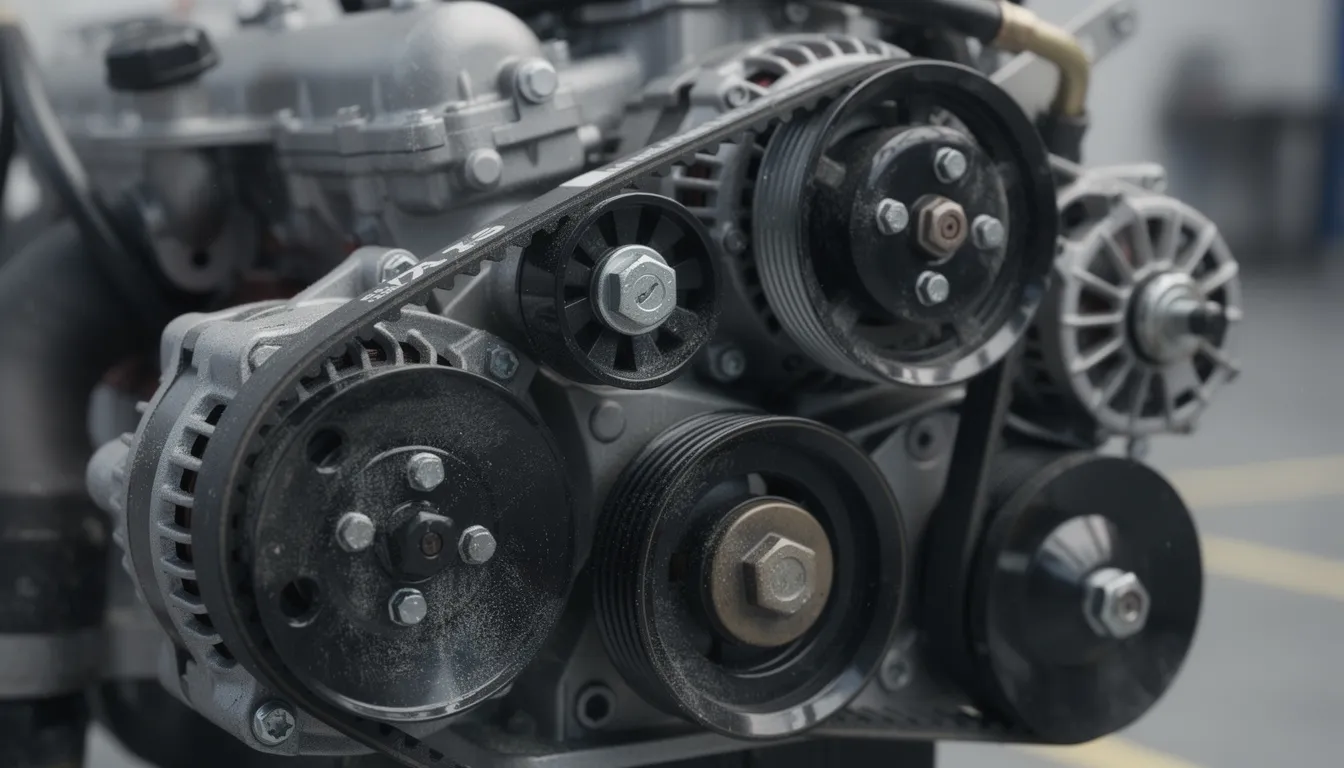
A belt tensioner is a spring-loaded device that keeps the serpentine or accessory drive belt tight as the engine runs. Think of it as a constant pressure system that adjusts automatically so the belt doesn’t slip or come loose.
The typical tensioner has a few key parts. There’s a metal arm that pivots, an internal spring that provides force, a main tensioner body that bolts to the engine, and a pulley that rides against the back of the belt.
Most cars and light trucks built from the mid-1990s onward use automatic belt tensioners. Some older vehicles still rely on manual adjustment brackets where you have to tighten things by hand.
Why does this matter? Proper belt tension helps drive accessories like the alternator, water pump, power steering pump, and A/C compressor. Without it, these parts can slip, work poorly, or stop functioning altogether.
The tensioner is designed to handle constant vibration, heat cycles, and the natural stretch of the belt over time. It’s a simple concept that makes a big difference in engine performance.
How a Belt Tensioner Works
The tensioner constantly adjusts to maintain the correct pressure on the belt as it stretches and moves during engine operation. It’s a dynamic system, not a static one.
The internal spring is the heart of the operation. It pushes the tensioner arm and pulley against the belt to maintain steady tension during acceleration, idling, and the natural vibration that comes with running an engine.
Most modern tensioners also include built-in damping. This might be a friction material or a hydraulic damper, depending on the design. The damping helps reduce belt vibration and noise, which is why a good tensioner keeps things quiet under the hood.
There’s a key difference between automatic and older manual setups. Automatic designs self-adjust continuously, while manual systems require periodic tightening to compensate for belt stretch. If you’ve ever had to adjust a belt yourself, you know how much easier the automatic system is.
Consider a common example: a 2015 Ford F-150 with the 3.5L V6 engine. This truck uses an automatic serpentine belt tensioner that handles the accessory drive for the alternator, water pump, A/C compressor, and power steering pump. The tensioner keeps all these components running smoothly without any driver intervention.
Types of Belt Tensioners
Not all belt tensioners are the same. The design depends on the engine layout and the specific accessory drive system in your vehicle.
Automatic Serpentine Belt Tensioners
These are the most common type on vehicles built after about 1995. They’re spring-loaded and self-adjusting, requiring no manual intervention. The spring provides anywhere from 50 to 200 Newtons of force to keep the belt tight.
Manual or Adjustable Tensioners
Older vehicles and some performance setups use manual tensioner brackets. These require you to physically adjust the tension by moving the accessory or a bracket, then locking it in place. They work fine but need periodic attention as the belt stretches.
Accessory-Specific Tensioners
Some late-2000s import models use dedicated tensioners for specific components. For example, a separate A/C belt tensioner might handle just the air conditioning compressor on its own belt loop.
Complete Assemvblies vs. Replaceable Pullys
While some tensioner pulleys can be replaced separately, many OEM-style units are designed to be swapped as a complete assembly. This approach ensures long-term reliability since the spring, pivot, and pulley all wear together over time.
Common Signs of a Bad Belt Tensioner
Belt and tensioner wear often shows up as noise, poor accessory performance, or visible damage under the hood, just as valvetrain components like rocker arms with developing faults tend to reveal problems through sound and drivability changes. Catching these signs early can prevent a breakdown.
Noises to Watch For:
- Squealing or chirping on cold start, especially in the morning
- Belt noise during acceleration or when turning on the A/C
- Chirping that gets worse on wet days
Performance Problems:
- Engine overheating (if the water pump loses traction)
- Dim or flickering headlights
- Battery warning light on the dashboard
- Heavy or stiff power steering
Visible Warning Signs:
- Belt cracking, fraying, or glazing (shiny appearance)
- Tensioner arm shaking or bouncing while the engine runs
- Pulley wobble when spun by hand
- Tensioner sitting near the end of its travel instead of centered
Here’s a tip worth noting: if you install a new belt and it still squeals, the tensioner or a pulley is often the real problem. Don’t assume the belt is defective.
Causes of Belt Tensioner Failure
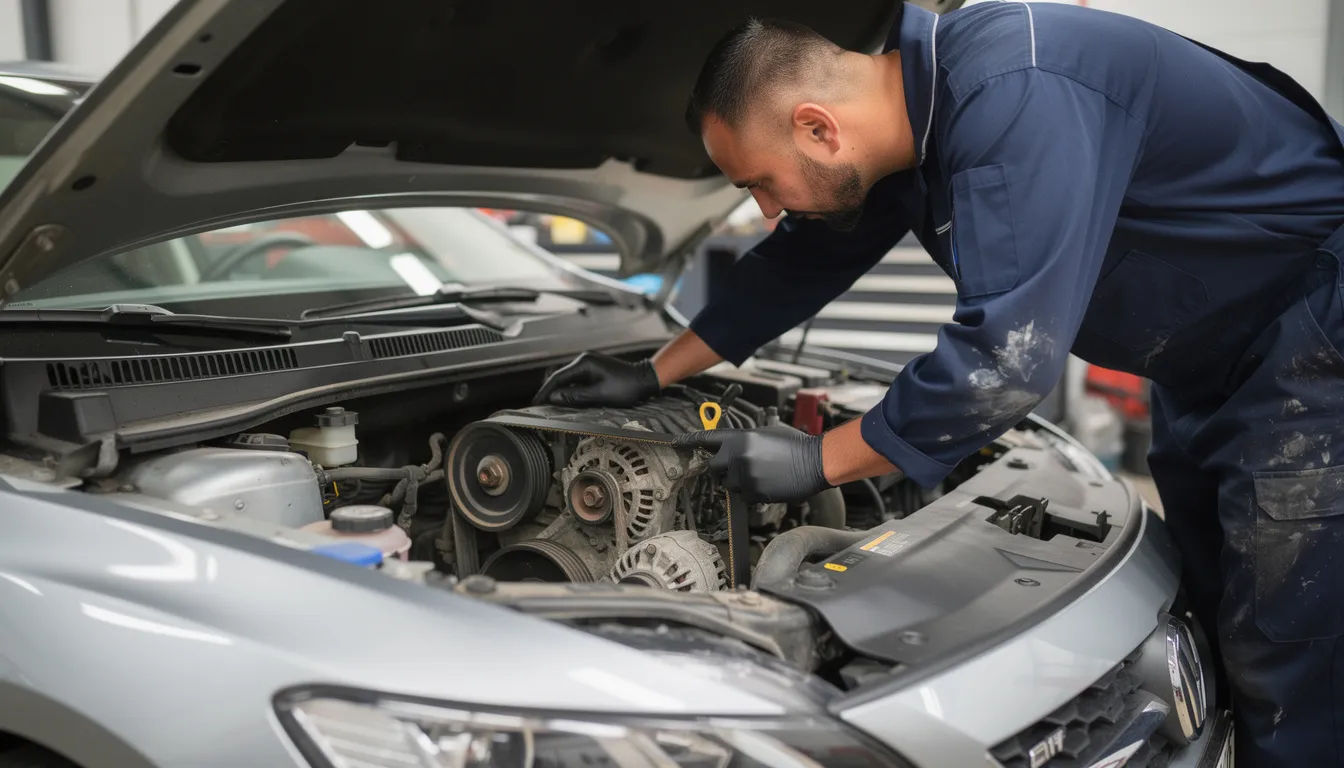
Belt tensioners wear out over time due to heat, load, and engine vibration. This is normal, but certain factors can speed up the process.
Normal Spring Wear
The internal spring can weaken over 80,000–120,000 miles, depending on driving conditions and engine design. City driving with frequent stops and starts tends to wear components faster than highway cruising.
Pulley Bearing Failure
Worn pulley bearings create grinding or rumbling noises. They can also cause misalignment that chews through belts prematurely. If you feel roughness when spinning the pulley by hand, the bearing is likely failing.
Fluid Contamination
Oil or coolant leaks onto the tensioner can wash out lubrication, damage bushings, and speed up failure dramatically. Check for leaks from valve covers, hoses, and gaskets regularly.
Repeated Belt Failures
If you’re replacing belts multiple times in a short period—say, two or three belts in one year—don’t just blame the belt. This pattern often signals a worn or misaligned tensioner or accessory pulley that needs attention.
Under certain circumstances, environmental factors like extreme heat or cold can also shorten tensioner life. Desert climates and areas with severe winters tend to be harder on these parts.
How to Choose the Right Belt Tensioner
The tensioner must match the exact year, make, model, engine size, and sometimes VIN code of your vehicle. This isn’t a part where “close enough” works.
When you shop for a replacement, use your vehicle details to search catalog listings. For example, entering “2018 Toyota Camry 2.5L I4” will give you specific options. Avoid “universal” fits—they may not maintain correct tension and can cause premature wear.
Key Factors to Match:
|
Specification |
Why It Matters |
|
Mounting style |
Must align with engine mounting points |
|
Pulley diameter |
Affects belt wrap and accessory speed |
|
Spring tension |
Ensures proper belt grip |
|
Overall dimensions |
Must fit within engine bay space |
|
Material and quality matter too. Choose reputable aftermarket or OE-grade units with durable springs and sealed bearings. The cheapest option often leads to repeat repairs. |
|
Consider this: if you’re changing a high-mileage belt (beyond about 90,000 miles), replace the tensioner at the same time. You’ll avoid repeat labor and early belt wear. Reading product reviews before you purchase can help ensure you receive a reliable part.
For detailed information on your specific model, check your owner’s manual or a reputable automotive website.
Basic Steps to Replace a Belt Tensioner
Safety First
Make sure the engine is off and cool. Disconnect the battery if you’re working near the starter or main wiring. Wear eye protection when releasing spring tension—these springs store significant force.
The General Process:
- Sketch or photograph the belt routing before you remove anything
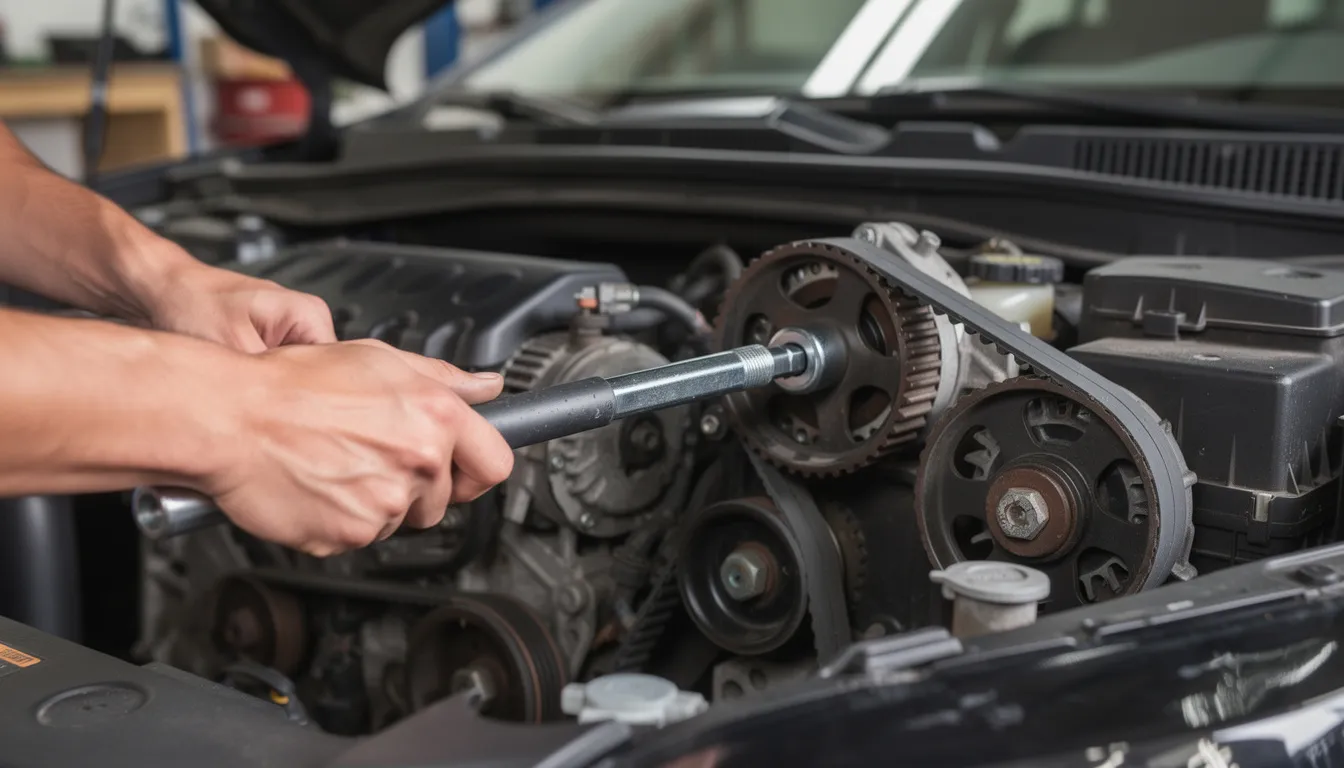
- Use a serpentine belt tool or long-handled wrench to rotate the tensioner and release tension
- Slip the belt off the pulleys
- Remove the old tensioner by loosening its mounting bolts (usually 2-3 bolts)
- Check the mounting surface for corrosion or damage and clean the area
- Install the new tensioner with bolts torqued to the manufacturer's spec
- Route the new belt according to the diagram under the hood or in your manual
- Use the tensioner tool to create slack, slip the belt onto the final pulley, then release
Final Check
Start the engine and watch for smooth belt tracking. Listen for abnormal noises. Verify no warning lights appear on the dashboard.
If you’re a novice DIYer and feel unsure about any step, professional installation is a smart choice. The risk of injury from spring tension or improper belt routing makes this a job where caution pays off. A professional repair shop can fix the problem quickly and provide a guarantee on the work.
Maintenance Tips to Extend Belt and Tensioner Life
Routine checks help prevent sudden belt or tensioner failures and roadside breakdowns. A few minutes of attention can save hours of headaches.
Regular Inspection Schedule:
- Check the serpentine belt and visible pulleys every oil change
- At minimum, inspect every 6 months
- Look for cracks, fraying, shine (glazing), or rubber dust
Pulley Check (Engine Off):
Gently spin accessible pulleys by hand. Feel for roughness, play, or noise. Any grinding or wobbling points to failing bearings that need attention.
Watch for Fluid Leaks:
Oil from valve covers or coolant from hoses can drip onto the belt and tensioner. This contamination shortens their life significantly. Fix leaks promptly.
Replacement Intervals:
Follow your owner’s manual or use a typical guideline of 60,000–90,000 miles for belt replacement. On high-mileage vehicles, replace an aging tensioner at the same time. This approach saves labor costs and ensures all the parts in the system have similar wear levels.
FAQ
Q1: How long does a belt tensioner usually last?
A1: Many belt tensioners last between 80,000 and 120,000 miles. However, lifespan depends heavily on driving conditions, heat exposure, and maintenance habits. City driving with lots of starts and stops, extreme heat, or oil leaks onto the tensioner can shorten that interval considerably. Some truck and car owners report tensioners lasting well beyond 150,000 miles in ideal conditions. Inspection is more reliable than mileage alone. If the tensioner arm shakes while the engine runs, the pulley makes noise, or the belt keeps wearing out prematurely, it’s time to replace the equipment regardless of miles.
Q2: Can I just replace the pulley instead of the whole tensioner?
A2: Some designs allow the pulley to be replaced separately if only the bearing is bad. This can save money on parts. However, many modern automatic tensioners are engineered as complete assemblies. The spring and pivot can wear even when the pulley seems fine. On high-mileage vehicles, replacing the entire tensioner is usually the more reliable long-term fix and prevents return trips to the shop.
Q3: Is it safe to drive with a noisy belt tensioner?
A3: A light chirp may not mean instant failure, but a noisy or shaky tensioner can quickly lead to belt slip or belt loss. This isn’t something to cancel your repair appointment over. If the belt comes off, the alternator, water pump, and power steering may stop working immediately. This can cause engine overheating within minutes or sudden loss of power steering assist—a serious control issue, especially at higher speeds. Treat tensioner noise as an urgent repair. Avoid long trips until you diagnose and fix the problem.
Q4: Do I need special tools to change a belt tensioner?
A4: Many vehicles can be serviced with common hand tools plus a serpentine belt tool or long-handled ratchet to release spring tension. These tools are available at most auto parts stores. Some tight engine bays—especially on front-wheel-drive cars and compact SUVs—may require slim-profile tools or removing other components for access. This adds time and complexity. If you’re unsure about tool requirements or belt routing, consulting a repair manual or professional technician is a smart move. The implied savings from DIY work only pay off if the job gets done correctly.
Q5: Should I replace the belt and tensioner at the same time?
A5: It’s generally wise to replace an old belt and tensioner together, especially when the vehicle has over 90,000 miles on the current components. A worn tensioner can ruin a new belt through improper tension. A weak belt can stress a new tensioner. Matching new parts prevents repeat labor and ensures the whole accessory drive system works in harmony. During the same service, consider checking idler pulleys and critical accessories like the alternator and water pump. This approach gives you a complete, reliable repair that should last for years. Taking time to do the job right the first place saves money and frustration down the road.
Recommended Belt Tensioners at Fab Heavy Parts
1.

Belt Tensioner 1900642 190-0642 Fits for Caterpillar CAT Engine 3406E C9 3126
Condition: new, replacement
Replace Part Number: CA1900642, 190-0642, 1900642, 138-2514, 1382514
Fit for CAT Engine: 3126, 3126B, 3406E, C-10, C-12, C-15, C-16, C-18, C11, C13, C15, C175-16, C175-20, C18, C7, C9
Application: The Belt Tensioner fits for Following CAT Models: Paving Compactor:CB-54, CB-64, CP-44, CP-56, CP-64, CP-74, CP-76, CS-44, CS-56, CS-64, CS-74, CS-76 Wheel-Type Loader:924H, 924HZ, 928HZ, 930H, 992K, 993K Wheel Tractor-Scraper: 621B, 621E, 621F, 621G, 623B, 623E, 623F, 623G, 627E, 627F, 627G, 631D, 631E, 631G, 633D, 633EII, 637D, 637E, 637G, 657E, 657G Wheel Dozer:854K Telehandler:TH220B, TH330B, TH340B, TH350B, TH355B, TH360B, TH460B, TH560B, TH580B Combine:460, 465, 470 Petroleum Products:C18 Off-Highway Truck:773F, 775F, 777B, 777C, 777D, 777F, 793F, 793FXQ, 795FAC, 797, 797B, 797F Excavator:345BII...
2.

Condition: new, aftermarket
Replace Part Number: 7269057
Fitment Details: The Belt Tensioner Pulley Aftermarket Replacement For Bobcat All-Wheel Steer Loader: A770; Bobcat Skid Steer Loaders: S630, S650, S750, S770, S850; Bobcat Track Loaders: T630, T650, T750, T770, T870
**Fab Heavy Parts is an independent reseller and it is not affiliated with any compact equipment manufacturer.
3.

Condition: new, replacement
Replace Part Number: RE548027
Fit for John Deere Engine: 4045,3029,6068,6090,6125,6135
Application: The Belt Tensioner fits for John Deere Axle: 1200 1400, RE151971, YZ19489, YZ19684; John Deere Sprayer:STS 10, DPS 12, STS 12, IBIS 2130, IBIS 2530, MAF 3180, MAF 3580, MAF 4080; John Deere Backhoe Loader: 310J, 310K, 310L, 310SJ, 310SJTC, 310SL, 310TJ, 315SJ, 315SL, 325J, 325SL, 410J, 410L, 710J, 710L; John Deere Combine: 1076, 1450, 1470, 1570, 3518, 9560, 1450CWS, 1450WTS, 1550CWS, 1550S, 1550WTS, 9470STS, 9560i, 9560SH, 9660STS, 9760STS, C100, C230, C440, L70, R230, S540, S650, S660, S670, S670HM, S760, S770, T550, W210, W330, W430, W540, W550, W650, W80; John Deere Crawler Dozer:764 450J, 550J, 550K, 650J, 650K, 700J, 700K, 700L, 714PR, 750J, 750K, 750L, 850J...
4.

Belt Tensioner 3400885 Fits for Cummins Engine L10 M11 ISM ISX15 QSM
Condition: new, replacement
Part Number: 3400885
Applications: The Belt Tensioner fits for Cummins Engine L10 M11 ISM ISX15 QSM
5.

New Belt Tensioner 3154315 1664973 8149798 for Volvo D12 Engine
Condition: new, aftermarket
OE Part Number: 3154315, 1664973, 8149798
Application: The Belt Tensioner fits for Volvo Trucks FH12, FH16, FL12, FM7, NH12; Volvo Bus B12, B12R
6.

Belt Tensioner 5801728126 Fits for Case IH 380 485 500 540 STX430 7010 8010 9010 8120
Condition: new, aftermarket
Part Number: 5801728126, Steiger 380, 385, 400, 420, 430, 435, 450, 470, 485, 500, 540, 550, 580, 600, 620, STX 380, 430,
Applications: The Belt Tensioner is compatible with Case IH Quadtrac 400, 450, 470, 500, 540, 550, 580, 600, 620; Case IH combines: 7010, 8010, 9010, 8120
Engine Models: F3BFA613A, F3BFA613C, F3BFE613A, F3BFE613B, F3BFE613C, F3DFA613A, F3DFE613A, F3DFE613B, F3DFE613F, F3CE0684B, F3HFE613B
FAB Heavy Parts: Your Trusted Engine Parts Supplier
Welcome to Fab Heavy Parts' online catalog, your trusted source for quality auto parts and tools. Explore our extensive selection of Belt Tensioner and more. Avoid delays by securing the parts you need from a reliable supplier who keeps inventory moving. Our expert team is here to provide personalized support, ensuring you get the right parts. Reach out today to stay ahead and keep your operations seamless!