


A small valve can cause big problems. Your car’s thermostat costs less than $50 in most cases, but when it fails, the damage to your engine can run into thousands. Knowing the symptoms of a bad thermostat on a car helps you catch trouble early—before you’re stranded on the roadside or facing a major repair bill.
Key Takeaways
- A bad thermostat can make your engine overheat, run too cold, or swing between both extremes, quickly damaging internal components
- Common signs include a temperature gauge in the red, engine running too cold, heater not working properly, coolant leaks, and a check engine light tied to temperature codes
- Catching these symptoms early helps you avoid blown head gaskets, warped cylinder heads, and expensive engine rebuilds
- Simple checks like inspecting coolant levels, feeling radiator hose temperatures, and looking for visible leaks can help spot a failing thermostat
- Fab Heavy Parts supplies quality replacement thermostats and cooling components for both heavy-duty and standard automotive applications
What Does a Car's Thermostat Do?
The thermostat is a temperature-controlled valve in your car’s cooling system. It sits in the thermostat housing near the engine block and regulates coolant flow between the engine and radiator.
When you start a cold engine, the thermostat valve stays in the closed position. This traps coolant in the engine block, helping it reach optimal temperature quickly—typically around 195°F for most modern engines. After the engine reaches its operating temperature, the thermostat opens to allow hot coolant to flow through the radiator and dissipate heat.
A faulty thermostat can get stuck open, stuck closed, or operate erratically. Each failure mode hurts engine performance and reliability differently. In heavy-duty trucks and equipment, thermostat failures become even more costly due to high loads and extended operating hours.
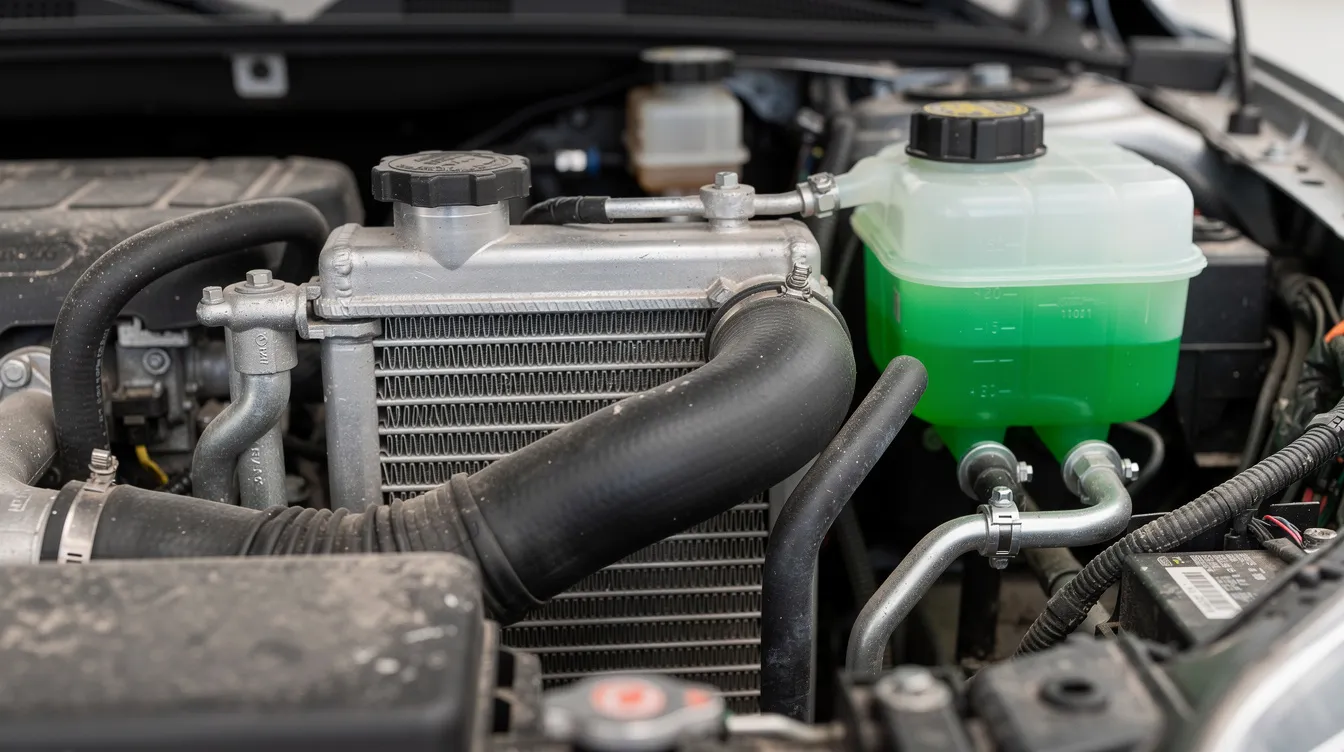
Common Signs of a Bad Thermostat
Most thermostat problems show up first as changes in engine temperature or strange behavior from the car’s heater. The symptoms differ based on whether the thermostat is stuck closed or open.
Drivers should never ignore sudden changes in the temperature gauge, heater output, or visible coolant leaks—especially while towing or hauling heavy loads.
Engine Overheating (Gauge in the Red)
Engine overheating is the most dangerous sign of a bad thermostat and demands immediate attention. A malfunctioning thermostat can cause the engine to overheat by getting stuck in a closed position, preventing coolant from circulating properly.
When this happens, your dashboard gauge climbs toward the red zone. You may see a temperature light, “HOT” message, or steam from under the hood. If the thermostat fails and remains closed, the engine temperature can rise rapidly, leading to potential damage such as a blown head gasket or warped cylinder heads.
Pull over safely, shut the engine off, and never remove the radiator cap while hot—pressurized coolant boiling can cause severe burns.
Engine Running Too Cold
If the thermostat is stuck open, the engine may take too long to warm up, which can result in increased fuel consumption and reduced overall performance. The temperature gauge may stay near the cold mark even after 10-15 minutes of normal driving.
An engine that never reaches its optimal temperature due to a faulty thermostat can experience increased wear and tear, leading to decreased fuel efficiency over time. While running cold seems less scary than overheating, it still increases internal wear and long-term engine problems.
Temperature Gauge Fluctuations
Fluctuating temperatures on the gauge may indicate that the thermostat is opening and closing incorrectly. You might see the gauge climb toward hot, then drop suddenly, or bounce between cold and normal while cruising at steady speed.
Unstable temperature readings on the dashboard gauge can indicate a failing thermostat, which may not be opening and closing at the correct times. Common signs of a malfunctioning car thermostat include rapid engine overheating, an unusually cold engine, and erratic temperature gauge fluctuations. These erratic temperature readings often cause inconsistent heater output and reduced engine performance.
Heater Not Blowing Warm Air
Poor cabin heating can result from a thermostat that is stuck open, as it prevents the engine from reaching a proper operating temperature. On a cold morning with the engine running, the car’s heater only blows cold air or barely warm air—even with heat on full blast.
If the thermostat remains stuck open, the engine might not reach a high enough temperature to heat the air inside the vehicle, causing the heater to blow cold or only mildly warm air. A faulty thermostat can prevent the engine from warming up enough to supply heat to the cabin, leading to discomfort in colder months.
When the thermostat fails to open, it can cause the engine to run too cold, which may result in the heater not providing adequate warmth to the cabin. While heater problems can stem from a plugged heater core or low coolant levels, a malfunctioning thermostat is a common and inexpensive cause to check first.
Coolant Leaks and Coolant Level Drops
A faulty thermostat can cause coolant leaks, which may be visible around the thermostat housing, radiator, or underneath the vehicle. Look for colored spots—green, orange, pink, or yellow depending on coolant type.
When the thermostat fails to open, the pressure inside the cooling system increases, which can lead to leaks from the radiator, hoses, or the thermostat housing itself. If you notice coolant leaking under your car, it could be a sign of a thermostat problem, as a stuck thermostat can cause pressure buildup in the cooling system, leading to leaks.
Coolant leaks that produce a sweet odor or a burning smell may indicate issues related to faulty thermostats or other cooling system components. Check coolant levels in the reservoir when the engine is cold. Ignoring coolant leaks combined with temperature problems leads quickly to severe engine damage.
Strange Noises from the Engine Area
Rumbling, gurgling, or unusual noises from the radiator or engine bay can signal trapped air or coolant boiling caused by a bad thermostat. Overheating or rapid temperature swings create air pockets and localized boiling water sounds in the cooling system.
These strange noises may be most noticeable right after shutting the engine off or after climbing a long hill. Operators of heavy trucks should not ignore new noises under load—they often warn of developing cooling system issues.
Poor Fuel Economy and Weak Engine Performance
A malfunctioning thermostat can lead to poor fuel efficiency by causing the engine to run either too hot or too cold, both of which negatively impact fuel consumption. An engine that never warms up stays in “cold start” mode, using extra fuel.
If the thermostat is stuck open, the engine may run too cold, leading to poor performance and inefficient fuel consumption. Drivers may notice sluggish acceleration and reduced power. Fleet managers often spot this as poor fuel economy over several weeks. Replacing a thermostat is inexpensive compared to long-term fuel waste.
Check Engine Light and Temperature-Related Codes
Many vehicles from around 2000 onward use sensors to monitor coolant temperature. A stuck open thermostat often triggers code P0128: coolant temperature below thermostat regulating temperature.
Symptoms of a failing thermostat differ based on whether it is stuck closed or open, with each position presenting unique issues. Code readers can show actual coolant temperature data, helping confirm thermostat issues on light-duty and heavy-duty vehicles. Driving long-term with temperature-related check engine light codes can harm emissions components.
How to Confirm a Bad Thermostat (Basic Checks)
Some basic driveway checks can help you decide if the thermostat is likely bad before visiting a shop. Never open a hot cooling system—always let the engine cool completely before touching the radiator cap or radiator hoses.
Check Coolant Level and Visible Leaks
Start by inspecting coolant reservoir markings with the engine completely cold. Look under the vehicle and around the radiator, hoses, and thermostat housing for dried marks or wet spots.
Low coolant can mimic bad thermostat symptoms. Top off with correct coolant and recheck engine temperature behavior. If levels keep dropping, have the system pressure-tested.
Feel the Radiator Hoses as the Engine Warms Up
Testing for a stuck-closed thermostat can involve feeling the temperature of the upper radiator hose after the engine has warmed up; if one hose is hot and the other is cold, coolant may not be circulating.
When the thermostat opens, the upper radiator hose should suddenly get hot. If the engine temperature gauge shows normal but the upper hose stays cold, the thermostat may be stuck. If both hoses warm immediately and the engine stays cold, the thermostat is likely stuck open. Keep hands away from fans and belts.
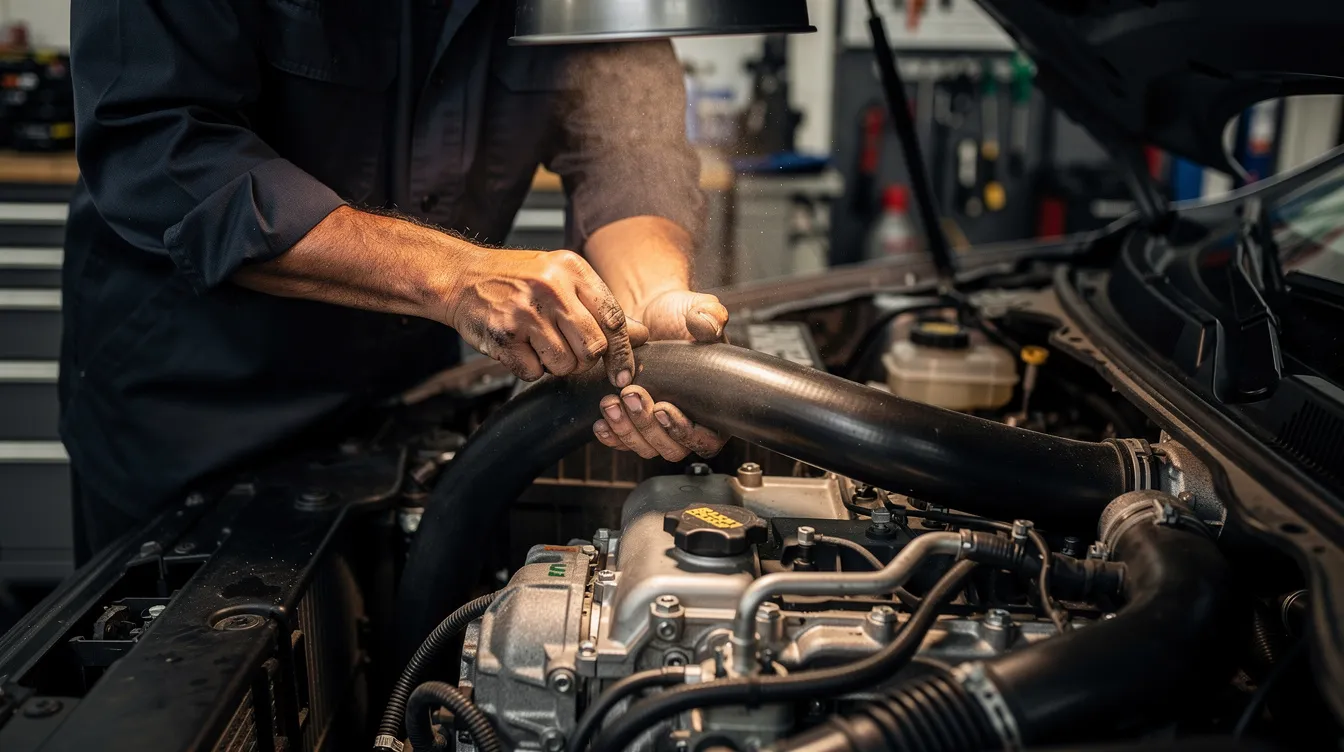
Professional Diagnostic Steps
Modern shops use scan tools to watch live coolant temperature readings. Technicians may use infrared thermometers on radiator tanks to confirm coolant flow patterns.
The “Boiling Water” test for thermostats involves placing the thermostat in boiling water to verify if it opens at the temperature specified on its housing, typically between 180°F and 195°F. A common symptom of a malfunctioning thermostat is engine overheating, which occurs when the thermostat is stuck closed and prevents coolant from circulating. Once confirmed faulty, thermostat replacement is straightforward and relatively low cost.
Driving Risks and Potential Engine Damage
Continued driving with thermostat issues spirals into serious problems. Overheating due to a faulty thermostat can lead to severe engine damage, making timely repairs essential to avoid costly repairs.
Repeated car overheating causes:
- Blown head gasket failures
- Warped cylinder heads
- Cracked engine blocks
- Damaged water pump components
Long-term overcooling increases internal wear, contaminates oil faster, and damages catalytic converters. Heavy-duty trucks running under load face even higher risk. Timely repairing cooling system issues through thermostat replacement is one of the cheapest ways to protect your vehicle from significant engine problems.
When and Why to Replace Your Thermostat
Thermostats are wear items that typically fail with age, mileage, or coolant contamination. Many owners replace the thermostat preventively during major cooling system work—water pump or radiator replacement—especially after 8-10 years or 100,000+ miles.
If any thermostat symptoms appear, replacement is recommended over continued driving. Using the correct temperature rating for your specific engine is critical. Fab Heavy Parts supplies OEM-quality thermostats, housings, gaskets, and related hardware for work trucks and equipment, helping minimize downtime through regular maintenance and preventive maintenance practices.
FAQ
Q1: Can I keep driving if my car overheats just once?
A1: Even one overheating episode can damage an engine. Have the vehicle’s thermostat and cooling system inspected before extended driving, especially if the temperature gauge spikes to red or steam was visible. Short temperature spikes may not cause immediate failure, but repeated engine running hotter episodes greatly increase head gasket risk.
Q2: How often should a car's thermostat be replaced?
A2: Many thermostats last 8-12 years. Consider replacement whenever doing major cooling system work on higher-mileage vehicles. Some fleet operators proactively replace thermostats around 100,000-150,000 miles. Visual inspection during regular maintenance helps catch thermostat problems early.
Q3: What's the difference between a bad thermostat and a bad water pump?
A3: A bad thermostat shows abnormal engine temperature patterns. A bad water pump often causes overheating plus grinding noises and leaks from the pump area. With pump failure, the car’s cooling system may not circulate coolant at all. On older vehicles, replacing both together saves labor costs.
Q4: Can a bad thermostat cause engine misfires?
A4: A vehicle’s thermostat doesn’t fire spark plugs directly, but incorrect engine temperature causes rich or lean fuel mixtures that may trigger misfires over time. Cold running from a stuck open thermostat can foul plugs with carbon deposits, especially on vehicles making short trips in cold weather.
Q5: Is replacing a thermostat a DIY job or should I see a mechanic?
A5: On many older vehicles, thermostat replacement is a moderate DIY job with basic tools. Newer vehicles and heavy-duty engines often require professional service due to complex bleed procedures. Installing a thermostat backward or using wrong gaskets causes the right temperature regulation to fail. Source quality parts from Fab Heavy Parts and consider professional installation if unsure.
Popular Thermostats at Fab Heavy Parts
1.

2.
 Fit Komatsu Excavator PC450-8 Engine 10PE1 Thermostat
3.

4.
 Fits for CAT Caterpillar C9 Engine Thermostat 2485513 248-5513
5.
 New Yanmar 4TNV94 4TNV98 4TNE94 4TNE98 4D94 Engine Thermostat
6.
 Thermostat for Kubota V1500 V1702 V1505 V1902 V2203 V1305 D1302-DI
FAB Heavy Parts: Your Trusted Engine Parts Supplier
Welcome to Fab Heavy Parts' online catalog, your trusted source for quality auto parts and tools. Explore our extensive selection of Thermostats and more. Avoid delays by securing the parts you need from a reliable supplier who keeps inventory moving. Our expert team is here to provide personalized support, ensuring you get the right parts. Reach out today to stay ahead and keep your operations seamless!