

 Your engine produces enough heat to damage itself in just minutes. The water pump is the small but vital part that keeps your engine from overheating. Knowing how this part works and when to replace it can save you a lot of money in repairs. This guide is for car owners, DIY mechanics, and fleet managers who want to understand, maintain, and replace water pumps to keep their vehicles running smoothly.
Key Takeaways
- A car’s water pump is the heart of the cooling system, constantly pushing coolant through the engine block, radiator, and heater core to prevent overheating. Without proper circulation, engines fail fast.
- Most modern water pumps last 100,000+ miles, but coolant leak issues, grinding noises, and rising engine temperature are clear warning signs it's time to replace the unit.
- Several pump types exist (mechanical, variable, electric, auxiliary), and newer hybrid and EV models may use more than one pump for battery and motor cooling circuits.
- Replacing the pump is a medium-difficulty job often bundled with belts, tensioners, thermostat, and fresh coolant to avoid repeat labor costs down the road.
- At Fab Heavy Parts, we focus on durable, heavy-duty replacement parts designed for trucks and work vehicles that run long hours under demanding loads.
What a Car Water Pump Actually Does
A car water pump is a component that circulates antifreeze and other coolants through a vehicle's engine components to maintain the right operating temperature. It is vital to the operation of a car engine as it ensures that coolant flows through the engine and maintains the optimum operating temperature.
Think of your engine water pump as the circulatory system for your vehicle’s cooling setup. Just like your heart pumps blood through your body, the water pump forces coolant through every critical passage in your engine. It never stops working while the motor runs. This constant circulation is what keeps metal parts from warping and gaskets from failing.
The pump’s job is deceptively simple but absolutely important. It pulls coolant from the radiator, pushes it through the engine block and cylinder heads where it absorbs combustion heat, then sends it back to the radiator to cool down before repeating the cycle thousands of times per hour.
 Under normal driving conditions, the cooling system maintains operating temperature between 195–220°F (90–105°C). This range keeps the engine efficient without causing damage. Too cold, and fuel economy suffers. Too hot, and you’re looking at major problems.
Multiple components rely on this coolant flow to function properly:
- Engine block and cylinder heads
- Turbocharger (if your vehicle has one)
- Heater core inside the cabin
- Battery pack and power electronics (on many hybrid models)
- Transmission cooler circuits
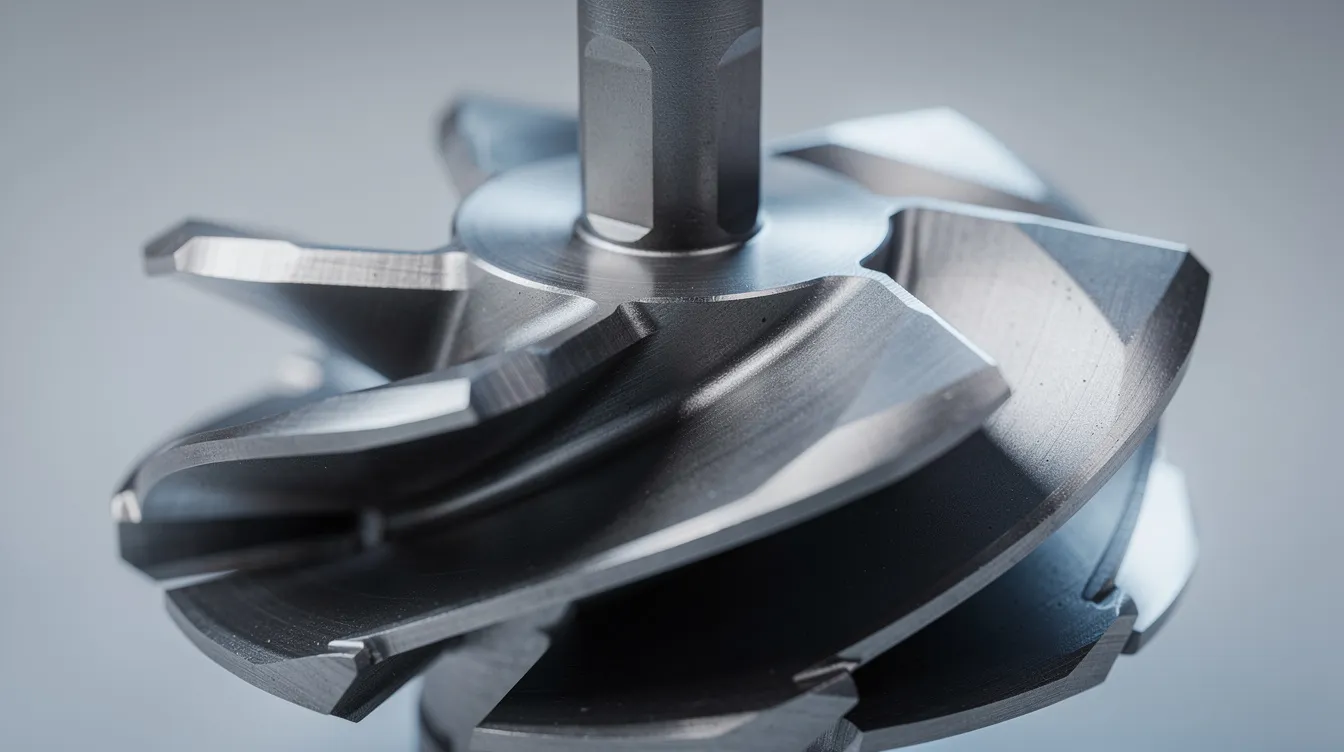
Most automotive water pumps use a centrifugal design. Inside the pump housing, you’ll find an impeller mounted on a shaft supported by bearings, with a seal keeping coolant contained. The whole assembly spins constantly, driven either by the engine’s crankshaft through a belt or chain, or by an electric motor on newer designs.
If the pump stops circulating coolant, heat builds within seconds. Oil breaks down rapidly under extreme temperatures. Head gaskets can fail. Aluminum cylinder heads warp permanently. Oil pump failures under these conditions can accelerate engine wear, and what starts as a $500 repair becomes a $5,000 engine replacement.
Common Types of Automotive Water Pumps
Not all cars and trucks use the same style of pump. Modern vehicles may combine several types to handle engine, transmission, and battery cooling duties. Understanding what’s under your hood helps you order the right replacement part.
The basic design across all types is the centrifugal pump—a spinning impeller that moves fluid outward through the housing. The differences come down to how the pump is driven and how flow is controlled. Older vehicles generally use straightforward mechanical pumps. Newer models might have variable-flow units or fully electric setups common on hybrid systems.
Mechanical Water Pumps
Traditional mechanical pumps have been around for decades. They’re driven directly by the engine via a serpentine belt, timing belt, timing chain, or gear drive. Simple and proven.
Most trucks and passenger cars built before roughly 2010 use this style. Many heavy-duty diesel pickups—like the Ford 6.7L Power Stroke and Ram 6.7L Cummins—still rely on robust mechanical pumps today. These engines need pumps designed for sustained high-load operation, frequent idling on job sites, and towing heavy trailers.
The impeller mounts on a shaft with bearings, sealed at the front to keep coolant inside and dirt out. The whole assembly bolts to the timing cover or engine block, making it accessible for service on most configurations.
Pros: Simple, durable, proven design with decades of refinement.
Cons: Pump speed is always tied to engine RPM, which can waste power and reduce efficiency at highway speeds.
A worn shaft seal often shows up as a slow leak from a small “weep hole” on the underside of the pump housing. This is actually designed as an early warning system—the pump tells you it’s failing before complete seal failure occurs.
Variable (Map-Controlled) Water Pumps
Many late-model gas engines use variable or “map-controlled” mechanical pumps that adjust flow based on engine load and temperature. These represent the middle ground between fully mechanical and fully electric designs.
These pumps can partially decouple or change impeller angle using vacuum signals or an electronically controlled clutch. When the engine doesn’t need full cooling capacity, the system reduces flow to minimize parasitic drag on the motor.
The benefits include quicker warm-up times, slightly better fuel economy, and lower emissions. This technology became common on engines meeting standards from about 2015 onward. A modern 2.0L turbo sedan might use a variable pump to manage heat loads during stop-and-go city driving while maintaining efficiency on highway cruises.
Diagnosis can be trickier with these units. The pump itself may be fine while the control solenoid, vacuum supply, or engine computer strategy is actually at fault. Don’t condemn the pump until you’ve checked the control circuit.
Electric Water Pumps
Electric engine water pump designs use an internal electric motor completely independent of engine speed. You’ll find them commonly on hybrids, EVs, and some performance cars manufactured since the early 2010s.
Electric pumps allow precise control of coolant flow. They can keep running after shutdown for turbo cooling, preventing heat soak that would otherwise damage components. They also help lower CO₂ emissions by eliminating the constant parasitic drag of a belt-driven pump.
Key applications include:
- Engine block cooling in certain BMW and Mercedes models
- Inverter and battery cooling in hybrids like Toyota Prius
- Motor cooling in EVs introduced after roughly 2014
Electric pumps fail differently from mechanical ones. Instead of bearing growl, the motor may simply stop, blow a fuse, or set a diagnostic trouble code (DTC). Before condemning an electric pump—especially on high-mileage fleet vehicles—check wiring, connectors, and relays first.
Auxiliary and Secondary Water Pumps
An engine auxiliary water pump is a smaller secondary unit that helps the main pump. These often feed the heater core, turbochargers, battery packs, or transmission coolers.
Many luxury SUVs and work vans with rear HVAC (built after about 2010) use auxiliary coolant pumps to deliver hot coolant to rear heaters when idling. Without these, rear passengers would freeze while the vehicle sits still.
Hybrids and plug-in hybrid models often have separate pumps circulating coolant through battery packs and DC-DC converters. This keeps temperatures stable under towing or hot-weather conditions where these components generate substantial heat.
A failed auxiliary water pump usually won’t cause immediate engine overheating. Instead, you might notice weak cabin heat, inverter over-temperature warnings, or derated power on long grades. Make sure you distinguish between main engine pump issues and these add-on pump failures—they’re completely different parts requiring different replacements.
Signs Your Car's Water Pump Is Failing
Don’t ignore early cooling-system symptoms. An overheating event can destroy an engine in minutes. The repair costs multiply fast once major components overheat.
Most water pumps don’t fail instantly. They give warnings—small leaks, unusual noise, or temperature swings—providing a window to fix the problem before serious damage occurs. Here’s what to watch for.
Coolant Leaks and Low Coolant Level
A failing pump seal or housing gasket often shows up as a small green, orange, pink, or yellow puddle under the front of your vehicle after it sits overnight. This is often the first visible sign of trouble.
Most pumps have a weep hole by design. When the internal seal wears out, coolant drips from this hole as an early warning. It’s built-in failure notification.
Drivers may notice frequent low-coolant warnings on the dash or need to top off the coolant reservoir every few weeks. In a properly sealed system, coolant levels shouldn’t drop noticeably between service intervals.
Inspect around the pump housing, timing cover, and lower radiator hose area with a flashlight. Look for dried coolant trails or crusty deposits. On some heavy-duty diesels and compact cars, leaks may be partly hidden behind covers. A pressure test confirms the source definitively.
Overheating and Temperature Fluctuations
A weak or seized pump can cause the temperature gauge to rise, especially while towing, climbing hills, or sitting in traffic on hot days. The system simply can’t move enough coolant to handle the heat load.
Watch for the gauge spiking quickly and then dropping as the thermostat opens and fans switch on. This pattern suggests marginal or inconsistent coolant flow rather than a steady circulation.
Red temperature warning lights, “Engine Hot” messages, or the HVAC suddenly blowing cold air when the engine overheats are all red flags. Any overheating event should be taken seriously. Shut the engine down and allow it to cool before further damage occurs.
Keep in mind that overheating can also result from a stuck thermostat, clogged radiator, or failed fan. Proper diagnosis matters before replacing parts.
Unusual Noises from the Pump Area
Worn pump bearings can cause a grinding, growling, or howling noise from the front of the engine that changes with RPM. The sound gets louder as engine speed increases.
Sometimes a loose or misaligned serpentine belt can squeal, which is separate from bearing noise but often appears around the same time as pump wear. Both conditions suggest the cooling system needs attention.
Technicians or DIYers can carefully use a mechanic’s stethoscope or a long screwdriver (pressed against the housing) to localize the noise to the pump body. If the pump pulley has noticeable wobble or play when moved by hand with the engine off, the bearings are likely failing.
Warning: Never put hands or tools near moving belts while the engine is running. Serious injury can result.
Poor Cabin Heat and Climate Issues
A weak pump or air in the cooling system can reduce coolant flow through the heater core, resulting in lukewarm air even when the engine is fully warm.
Drivers may notice the heater blowing cooler air at idle but warming up during acceleration. This classic pattern indicates marginal coolant circulation—the pump can barely keep up at low speeds.
In vehicles with auxiliary pumps for the heater circuit, failure of that secondary pump can mimic a failing main pump from the driver’s perspective. A work van losing rear heat for passengers when the small heater pump fails is a common scenario.
Cabin heat issues can also stem from blend-door problems or clogged heater cores. Check coolant flow as part of your diagnosis before replacing parts.
When to Replace a Car Water Pump
Some pumps fail early while others run well past 150,000 miles. But there are mileage ranges and service intervals where replacement becomes smart preventive maintenance rather than emergency repair.
Many modern OEM pumps are designed to last about 100,000 miles under normal conditions. Older designs from the late 1990s to early 2000s may need attention between 60,000 and 100,000 miles. Heavy-duty trucks, fleet pickups, and vehicles that tow or idle for long hours can wear out pumps sooner due to higher heat cycles and constant load.
The “while you’re in there” approach makes sense when doing timing belts, front engine seals, or major cooling-system service. Labor overlaps heavily, so combining jobs saves money.
Any sign of bearing noise, active leak, or overheating under normal conditions is enough reason to schedule pump replacement immediately. Waiting costs more.
Typical Service Life and Mileage Ranges
|
Vehicle Age/Type |
Expected Pump Life |
|
Older vehicles (pre-2010) |
60,000–100,000 miles |
|
2010s and newer |
100,000–150,000 miles |
|
Heavy-duty work trucks |
Varies by use intensity |
|
Time matters too. Rubber seals harden and gaskets shrink with age, so a 15-year-old vehicle with low miles can still need a new water pump. |
|
|
Repeated coolant neglect—running straight water, never flushing, or mixing incompatible coolants—shortens pump life by corroding internals. Following proper cooling system drain and flush procedures on schedule extends everything. |
|
|
Consider a work truck put into service in 2016 hitting 200,000 miles by 2026. Preventive pump replacement during a major service window makes operational and economic sense, even without active symptoms. |
|
Replacing the Pump with Timing Belt or Chain Service
On many engines—older Honda and Toyota 4-cylinders and several European V6s, for example—the water pump hides behind the timing belt or chain cover. Access requires significant disassembly.
Once that area is opened for belt or chain replacement, changing the pump and related seals adds little extra labor. You avoid paying for the same teardown twice later.
Many service shops and fleet managers automatically replace the pump during 90,000–105,000-mile timing belt service intervals for this reason. It’s simply good practice.
Always use fresh coolant and new gaskets when performing this combined service. Chain-driven pumps may be more complex, and some are marketed as “lifetime” parts. Real-world use sometimes proves otherwise.
Choosing the Right Replacement Water Pump
Not all pumps are built the same. Choosing the right unit involves matching fitment, materials, and intended use. Daily driving, heavy towing, and performance applications each have different demands.
For work trucks, heavy-duty pickups, and equipment haulers, durability under load and long-hour operation matters more than saving a few dollars upfront. A pump failure causing unexpected downtime on a revenue-generating vehicle costs far more than the part itself.
A good replacement pump should match or exceed original flow rate, use high-quality bearings and seals, and include any required gasket or O-ring set. Confirm engine size, model year, and build date before ordering—manufacturers sometimes change pump designs mid-generation.
Mechanical vs. Electric: What Fits Your Vehicle
Most gas and diesel trucks built before roughly 2012 use a mechanical pump. Many modern hybrids, EVs, and European vehicles combine mechanical and electric pumps in carefully engineered systems.
Don’t try to “upgrade” from mechanical to electric without a complete engineered kit. The cooling system and engine computer are designed around one specific type. Mixing approaches causes problems.
Electric pumps need correct voltage, connector type, and flow capacity matched to the vehicle’s control strategy. A 2015 Ford F-350 with a 6.7L diesel uses a robust mechanical pump. A 2020 plug-in hybrid SUV uses multiple electric pumps. Different vehicles, different solutions.
Material, Bearing, and Seal Quality
Pump housings may be cast iron, aluminum, or composite. Each material has trade-offs in weight, corrosion resistance, and cost. The replacement should generally match OEM specifications.
Double-row or heavy-duty bearings are preferred for vehicles that see off-road use, plowing, or frequent towing. They handle belt tension and vibration better than standard components.
High-quality mechanical seals with ceramic or carbon faces resist leaks much longer than cheaper alternatives. This is especially true with proper coolant and regular changes.
Look for pumps that have been pressure-tested and balanced. This prevents vibration issues at higher RPMs. A bargain-priced pump that fails early leads to far higher repair costs if it causes overheating or engine damage.
Buying for Heavy-Duty and Fleet Use
Trucks, vocational vehicles, and equipment haulers running long hours need pumps designed for the job. Choosing a pump with upgraded bearings, improved impeller design, and proven reliability matters more than saving a small amount on purchase price.
Using the correct coolant type—OAT, HOAT, or heavy-duty diesel formulas with proper additives—is crucial to protecting pump internals from cavitation and corrosion.
Keep service records of pump replacements and coolant changes, especially for mixed fleets running different brands and engine types. This documentation helps predict maintenance windows and budget reliably for repairs. 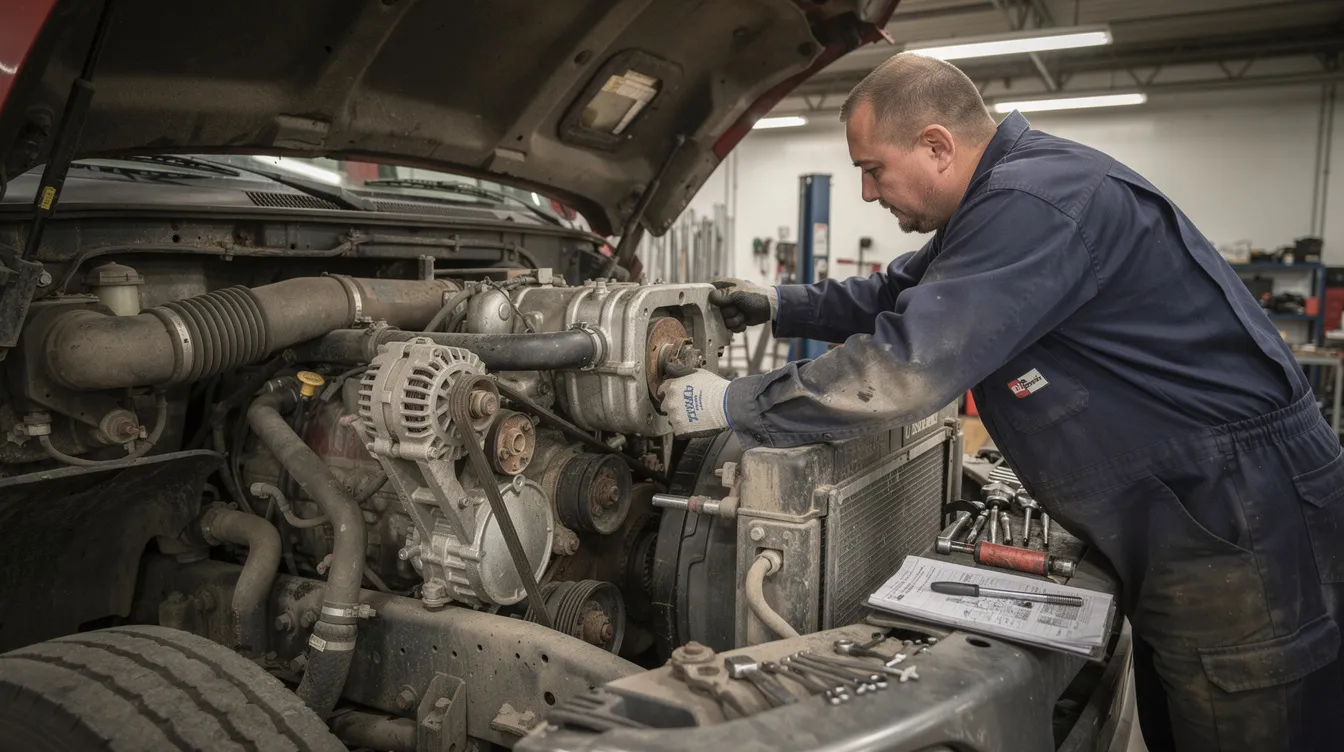
Water Pump Replacement Basics
Water pump replacement ranks as a moderate-difficulty job. It’s easier on some older rear-wheel-drive trucks with external mounting and more complex on tight front-wheel-drive engine bays where components are layered.
The basic steps remain similar across vehicles:
- Drain coolant into approved containers
- Remove belts and accessories blocking access
- Unbolt the pump from the engine
- Clean the mounting surface thoroughly
- Install new pump with fresh gasket
- Reinstall belts and components
- Refill and bleed coolant
Safety matters. Work on a cool engine. Use proper jack stands. Follow correct torque specs. Dispose of old coolant through hazardous waste facilities—it’s toxic to animals and wildlife.
Many owners choose to replace related components at the same time to prevent future breakdowns and avoid repeat labor.
What to Replace Along with the Pump
Common add-on parts to consider:
- New gasket or O-ring (usually included with pump)
- Serpentine belt
- Belt tensioner
- Idler pulley
- Thermostat and housing
- Radiator cap
- Coolant hoses showing swelling or cracks
Replacing these items during the same job reduces the risk of a new leak or belt failure soon after the pump is installed.
On high-mileage engines (150,000+ miles), assess radiator condition. Consider a flush or radiator replacement if there are signs of clogging or external corrosion.
A practical example: a 140,000-mile work truck getting a new pump and belts during scheduled downtime. Budget for the extras upfront and avoid a second repair visit later.
Refilling and Bleeding the Cooling System
After installing the new pump, refill with the correct 50/50 coolant mix specified by your vehicle manufacturer. Don’t substitute different ratios or types.
Many modern engines have bleed screws or require specific bleeding procedures to remove trapped air. Air pockets cause overheating and no-heat complaints even with a brand-new pump.
Signs of air in the system include:
- Gurgling sounds in the dashboard
- Temperature gauge swings
- Intermittent heater performance
Run the engine with the heater on full hot. Observe the temperature gauge and check for leaks while the system reaches operating temperature. Coolant level may drop as air escapes—top off as needed.
Clean up spilled coolant immediately. It’s toxic to pets and wildlife even in small amounts.
FAQ
Q1: How much does it cost to replace a car water pump?
A1: For many common cars and light trucks in the U.S., total cost at a repair shop typically ranges from about $350 to $900, depending on labor time and parts quality. Simple external pumps on older rear-wheel-drive trucks may fall near the low end. Pumps hidden behind timing components on some imports can reach or exceed $1,000 with belts included. DIY owners can save labor cost but should budget for coolant, belts, and any special tools needed for their specific engine. Choosing a higher-quality pump slightly increases parts cost but often reduces the chance of repeat repairs.
Q2: Is it safe to drive with a failing water pump?
A2: Driving with a known failing water pump--especially one that leaks heavily or causes overheating--is not recommended. Severe engine damage can occur within minutes of complete failure. If the vehicle must be moved a short distance, watch the temperature gauge closely and shut the engine down at the first sign of overheating. Towing is generally safer than attempting to limp home when the pump is making loud noises or leaving large coolant puddles. Repeated overheating events can warp cylinder heads, blow head gaskets, and damage catalytic converters. A mid-level repair turns into a major one fast.
Q3: Do I need to replace the thermostat when I change the water pump?
A3: While not always mandatory, many technicians recommend replacing the thermostat at the same time, especially on vehicles with more than 80,000–100,000 miles. The thermostat is relatively inexpensive compared to labor. A stuck thermostat can mimic water-pump issues or cause the new pump to run too hot. If the cooling system is being opened and drained anyway, installing a fresh thermostat and gasket makes sense. On some engines, the thermostat integrates into a plastic housing that becomes brittle with age. Preventive replacement avoids cracking surprises later.
Q4: What kind of coolant should I use with a new water pump?
A4: The best coolant to use is the one recommended in your vehicle’s owner’s manual. This could be a specific brand or a type like OAT or HOAT with the right additives. Always check your manufacturer’s website or manual for details. Mixing different types of coolant can cause corrosion and shorten the life of your water pump. It’s important to fully flush out the old coolant before adding the new one. For heavy-duty diesel engines, make sure to use coolant with the correct additives to protect engine parts.
Q5: Can a bad water pump damage other parts of the cooling system?
A5: Yes. If the water pump fails, the engine can overheat and damage parts like hoses, the radiator, head gasket, and even the engine block or cylinder heads. A seized pump can break or burn the serpentine belt, which stops the alternator, power steering, and sometimes the A/C compressor from working. This can leave you stranded without power or steering assist. Coolant leaks from the pump can also cause rust and damage to nearby metal parts and wiring if not fixed.
Recommended Water Pumps at Fab Heavy Parts
1.

Replacement Part Number: AR92147, AR92416, AR92417, AR92418, AR92903, RE26937, RE26955, RE40151, RE46238, RE46257, RE60489, RE92414, AR92418, DE15598, RE12836
Applications: The Water Pump fits for John Deere Tractor: 1040, 1040V, 1140, 1140F, 1140V, 1350, 1550, 1640, 1640F, 1750, 1750V, 1840, 1840F, 1850, 1850N, 1850V, 2040, 2040F, 2040S, 2140, 2150, 2155, 2240, 2250, 2250F, 2255, 2350, 2355, 2355N, 2450, 2450F, 2550, 2555, 2650, 2650F, 2650N, 2755, 2850, 2855N, 5005, 5038D, 5039D, 5040D, 5042D, 5045D, 5045E, 5047D, 5050D, 5050E, 5055D, 5055E, 5060E, 5065E, 5075E, 5200, 5205, 5210, 5300, 5300N, 5305, 5310, 5400, 5400N, 5405, 5500, 5500N, 840, 940, 940V
2.
 Water Pump & Thermostat & Sensor for Komatsu Engine 4D95 Dozer D20-6 D21-6 D20-7 D21A-6
Replacement Part Number: Water Pump: 6204-61-1300, 6204-61-1301, 6204-61-1302, 6204-61-1303, 6204-61-1304, 6204611300, 6204611301, 6204611302, 6204611303, 6204611304; Sensor: 08620-00000, 0862000000
Fit For Komatsu Engine: 4D95, 4D95S-W-1F-A, 4D95S-W-1F-AP, 4D95S-W-1F-P, 4D95S-W-1F-PL, 4D95S-W-1F-Q, 4D95S-W-1F-S, 4D95S-W-1F-T, 4D95S-W-1G-A, 4D95S-W-1G-AP, 4D95S-W-1G-AS
Applications: The Water Pump fits for Komatsu Dozer: D20-6,D21-6,D20-7,D21-7, D21A-6
3.
 Water Pump 4376357 for Cummins Engine B6.7 ISC ISL ISL9 L9 L9N QSB6.7 QSC8.3 QSJ8.9 QSL9
Replacement Part Number: 4376357
Applications: The Water Pump fits for Cummins Engine: B6.7 CM2350 B121B, ISC CM850, ISL G CM2180, ISL9 CM2350 L101, ISL9 CM2350 L111, L9 CM2350 L116B, L9 CM2350 L119B, L9 CM2350 L120C, L9 CM2350 L123B, L9N CM2380 L124B, QSB6.7 CM850, QSB6.7 CM2850, QSC8.3, CM850, QSC8.3 CM2850, QSJ8.9 G, QSL9 CM2250, QSL9 CM2350 L102, QSL9 CM2350, L107, QSL9 CM2350 L118
4.
 Water Pump With Gasket 119244-42001 for Yanmar Engine 3TNE68 3TNE68-TS Toyota Skid Loader SHK 4SDK4
Replacement Part Number: 119244-42001, 119244-42000, 11924442001, 11924442000, 119265-42002, 11926542002, YN119244-42001, YN11924442001
Fit For Yanmar Engine: 3TNE68, 3TNE68-TS
Applications: The Water Pump fits for Toyota Skid Loader: SHK 4SDK4, Huski 4SDK4
5.
 Water Pump 02931946 04198528 for Deutz Engine 1012 2012 BFM1012 BFM2012
Replace Part Number: 04198528, 02931946, 4198528, 2931946, 0419-8528, 0293-1946, 0419 8528, 0293 1946
Fit for Deutz Engine: The Water Pump fits for Deutz 1012, 2012, BFM1012, BFM2012
6.
 Water Pump 100-3038 for Mitsubishi Caterpillar CAT Forklift V40D V50D V50E T30D
Replace Part Number: CA1003038, 100-3038, 1003038
Application: The Water Pump fits for Caterpillar Forklift: V40D, V50D, V50E, T30D
FAB Heavy Parts: Your Trusted Engine Parts Supplier
Welcome to Fab Heavy Parts' online catalog, your trusted source for quality auto parts and tools. Explore our extensive selection of Water Pumps and more. Avoid delays by securing the parts you need from a reliable supplier who keeps inventory moving. Our expert team is here to provide personalized support, ensuring you get the right parts. Reach out today to stay ahead and keep your operations seamless!